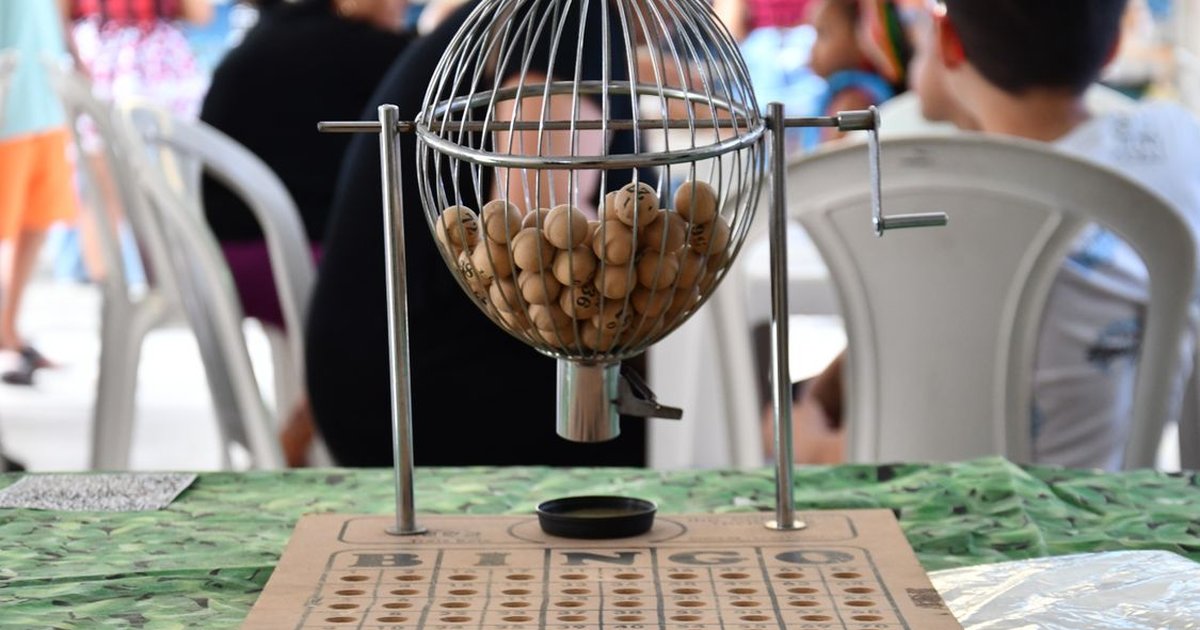
Every time an IPO opens in Nepal, the same question fills MeroShare chatter and broker offices: how many units should I apply for? Some applicants put in 10 units, some 100, some the maximum 10,000 — on one shared assumption: the more units you ask for, the better your chance of getting shares. In an oversubscribed fixed-price IPO, that assumption is wrong. Whether you apply for 10 units or 10,000, your application counts as a single entry in the lottery.
What the rule actually says
The rule is SEBON's Securities Issuance and Allotment Guidelines, 2074 (10th amendment), Section 30 — the “securities allotment process”. It works in rounds. First, every valid applicant is allotted 10 units. If shares remain, applicants who asked for 20 or more units get another 10 units each, and the rounds repeat. But if the shares run out before every valid applicant has received 10 units, the remaining applicants are chosen by gola pratha — a computerised lottery run by CDS and Clearing (CDSC) — so that each winner receives at least 10 units.
That last step is the whole story. Once demand is high enough that 10 units each cannot cover all applicants, the process stops at 10 units. The size of your application no longer matters, because the lottery is choosing applicants, not units. A 10,000-unit application is one ticket, exactly like a 10-unit one.
The arithmetic, with an illustrative example
Take a hypothetical fixed-price IPO — this example is illustrative, not a real issue. Suppose 500,000 units are available to the general public and 2,000,000 valid applications arrive:
| Step | Result |
|---|---|
| Units per winner | 10 units |
| Winners possible | 500,000 ÷ 10 = 50,000 applicants |
| Your odds, applying for 10 units | 50,000 ÷ 2,000,000 = 1 in 40 |
| Your odds, applying for 10,000 units | 50,000 ÷ 2,000,000 = 1 in 40 |
The other 1,950,000 applicants get nothing from this issue — and their blocked money is released. The odds are identical because the lottery never looks at how many units you asked for.
What a bigger application actually costs you
Under ASBA, the money you apply with is blocked in your own bank account — it is not spent, but it cannot be used for anything else while the block lasts. At the Rs 100 face value of an ordinary fixed-price IPO, 10 units block Rs 1,000, while 10,000 units block Rs 1,000,000. If the lottery does not pick you, the block lifts automatically within days and no separate refund application is needed — but for those days, the larger amount is simply parked. Applying for the maximum “just in case” buys no extra chance; it only raises the amount sitting idle.
The one legitimate way to hold more tickets
There is exactly one way the number of lottery entries in a household rises: separate valid applications from separate DEMAT accounts. Each family member who holds their own DEMAT account and applies separately holds their own lottery entry. That is a description of how the system counts entries, not a recommendation — every application must be genuine and in the applicant's own name.
Where the rule is different
The myth-bust applies to ordinary oversubscribed fixed-price IPOs. Two cases run on different rules:
- Book-built IPOs: under SEBON's Book Building Bylaws, 2077, the minimum application is 50 units, and institutional allotment is pro-rata rather than by lottery.
- Undersubscribed IPOs: if demand does not exhaust the issue at the 10-unit round, leftover shares can flow to larger applicants. A big application can matter here — but only when the issue fails to oversubscribe, which is precisely when nobody needed the lottery in the first place.
That is also why the timing matters this week: Him Parbat Hydropower (HPHL) opens on October 28, 2026, with project-affected locals and Nepalese working abroad applying first. Before applying to any issue, read the allotment section of its prospectus — the prospectus, not social-media advice, is the final authority on that issue's terms.
Frequently asked questions
What is the minimum IPO application in Nepal?
For an ordinary fixed-price IPO, 10 units — Rs 1,000 at the Rs 100 face value. Book-built IPOs have a 50-unit minimum instead.
If I apply for 10,000 units in an oversubscribed IPO, do I get more lottery entries?
No. Under SEBON's allotment rule, every valid applicant is first considered for 10 units, and when shares run out before everyone gets 10, the winners are picked by lottery — one entry per application. A 10,000-unit application is still one entry.
Who runs the IPO lottery?
The computerised lottery (gola pratha) is run by CDS and Clearing (CDSC).
If I am not allotted, when is my blocked money released?
The ASBA block lifts automatically within days of allotment. No separate refund application is needed.
Which IPO is opening next?
Him Parbat Hydropower (HPHL) opens on October 28, 2026, with project-affected locals and Nepalese working abroad applying first. Read the issue prospectus before applying — it is the final authority on that issue's allotment terms.
Sources: SEBON's Securities Issuance and Allotment Guidelines, 2074 (10th amendment), Section 30 — official PDF on sebon.gov.np; ShareSansar's plain-English explainer of the same guidelines and Kharchapatra's August 2026 book-building explainer corroborate the 10-unit and 50-unit rules. The worked example is illustrative. ASBA blocking and release follow the standard MeroShare/ASBA operation. This article is published for research and education purposes only. It is not investment advice, and nothing here should be read as a recommendation to buy, sell, or hold any security.