Every IPO season, lakhs of Nepalese apply for the standard 10 units at Rs 100, and a lucky fraction get allotted. But allotment is not money. The shares sit in your DEMAT account until you sell them, and the sale has its own plumbing: a listing, a TMS order, an EDIS transfer, and T+2 settlement. Here is the map from allotment to cash.
It starts with the credit. When the allotment is finalized, CDS and Clearing credits the shares to your BOID, the 16-digit demat account number that is effectively your address in the market. The Rs 1,000 blocked under ASBA is released back to your bank account. Open MeroShare, go to My Holdings, and if the units are there, you own them. Nothing else happens automatically. The shares do not sell themselves, and no money moves until you place an order.
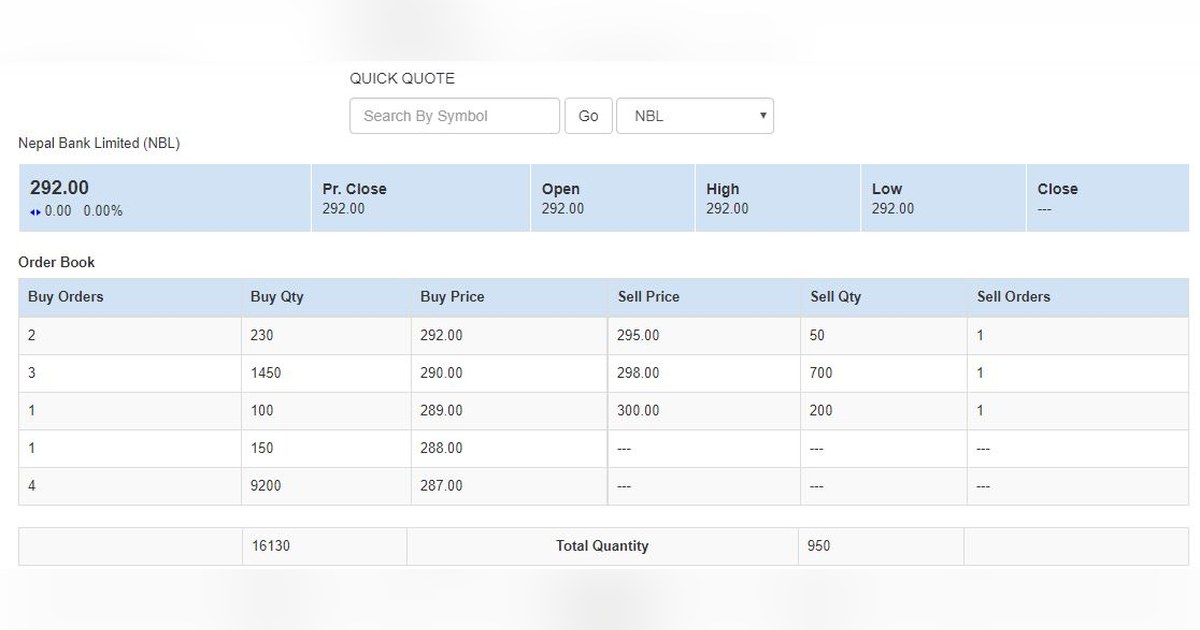
Next comes the listing. The company is listed on NEPSE, and trading opens. The listing-day price is not set by the company or the issue manager. It is discovered by the first trades between buyers and sellers on the exchange, which is why listing-day prices can open far above the Rs 100 issue price or, occasionally, below it. From that first session the shares trade like any other listed stock, and you are free to sell.
Selling has three parts, and all three matter. You place a sell order on your broker's TMS. You confirm your WACC, the weighted average cost of your holding, in MeroShare. And you complete EDIS, the electronic instruction that moves the sold shares out of your DEMAT account, on the same day. Skip the EDIS and the settlement fails, with penalties. This is the step first-time sellers miss most often, because nothing about the word “sell” suggests you still have paperwork to do after the order executes.
Then the money moves, two business days later. NEPSE settles on T+2: the shares and the cash actually change hands through CDS and Clearing two business days after the trade. Your broker deducts its commission and a Rs 25 DP charge per company, and credits the rest to your bank account or TMS collateral. If you sold at a profit, capital gains tax is deducted at source too, which is a separate calculation worth understanding before you count your gains. (We covered how Nepal's share tax changed this year in detail.)
The practical point is simple: allotment is the starting line, not the finish. Decide in advance whether you plan to sell into listing gains or hold the company for the long run, keep your MeroShare and TMS logins working, and never let allotted shares sit in DEMAT unexamined while the market moves without you. The investors who do best with IPOs are not the ones who get allotted most often. They are the ones who know what to do the day after.
Frequently asked questions
How do I know my IPO was allotted?
Check MeroShare under My Holdings or the IPO result section after the allotment date. The Rs 1,000 blocked under ASBA is released back to your bank account, and the allotted units appear in your DEMAT account.
When can I sell my IPO shares?
Once NEPSE lists the company. Trading opens on the listing day, and the first trades between buyers and sellers discover the market price.
What is EDIS and why does it matter when selling?
EDIS (Electronic Debit Instruction Slip) is the MeroShare step that transfers the sold shares out of your DEMAT account. It must be done the same day you sell; skipping it means the settlement fails and penalties apply.
How long does it take to get the money after selling?
NEPSE settles on T+2: the shares and the money actually change hands two business days after the trade, through CDS and Clearing. Your broker then credits your bank account or TMS collateral.
What charges are deducted when I sell IPO shares?
Your broker deducts its commission (a slab-based percentage of the trade value) plus a Rs 25 DP charge per company per settlement day, and capital gains tax applies on any profit.
This article is published for research and education purposes only. It is not investment advice, and nothing here should be read as a recommendation to buy, sell, or hold any security. Market procedures described here reflect the standard NEPSE process at the time of writing.