On Wednesday, 14 October 2026, the Nepal Stock Exchange suspended all trading in the shares of Bindhyabasini Hydropower Development Company Limited (BHDC). The exchange acted after the company uploaded decisions from its board meeting a day late. The board had met on Ashwin 26 (12 October) to settle its annual general meeting, book-closure date and dividend, but the information reached NEPSE's online portal only at 5:59 PM on Ashwin 27 (13 October), according to ShareSansar's reporting of the exchange's notice. Securities rules require listed companies to submit price-affecting decisions the same day, or before the market opens the next business day. The company missed that window, and the exchange halted its scrip.
The delayed notice was routine corporate business, not bad news. The board proposed a 5 percent bonus and 0.2632 percent cash dividend, 5.2632 percent in total, for fiscal year 2082/83, to be endorsed at the company's 10th annual general meeting on Kartik 18 (4 November). It fixed the book-closure date for Kartik 10 (27 October) and placed a 1:1, or 100 percent, rights issue on the meeting's special agenda. These figures were verified against the exchange's disclosure mirror and MeroLagani's notice board. Nothing in them explains the suspension. The halt is not about the dividend. It is about the timestamp.
In an exchange, timing is the whole disclosure game. A dividend proposal, an AGM date and a book-closure date all move prices. If that information sits with the company while the market trades without it, some investors act on stale prices while others hold an edge they should not have. NEPSE's response was its bluntest enforcement tool: stop trading in the scrip entirely until the company files a written clarification explaining the delay, which the exchange has demanded within three working days. The logic is protective rather than punitive. A halt says the information flow failed, so price discovery is paused until it is repaired.
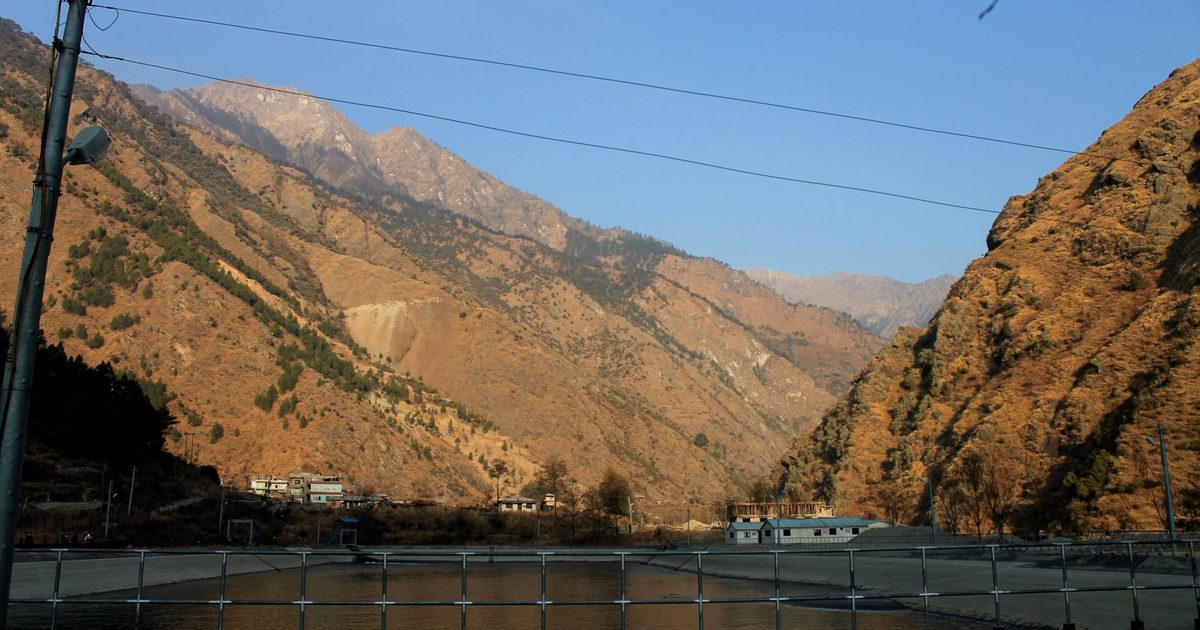
The company at the center of it is a small hydropower developer. Bindhyabasini operates the 8.8 MW Rudi Khola A plant and the 6.6 MW Rudi Khola B plant, run-of-river projects on the Rudi Khola in Kaski and Lamjung, built under the build-own-operate-transfer model with generation licenses from the Ministry of Energy. Incorporated in December 2000 as a private company and converted to a public limited company in March 2017, it is the kind of mid-tier hydro listing that makes up the bulk of NEPSE's hydropower board. Its shares traded in a 52-week band of Rs 401.1 to Rs 616, closing at Rs 421.5 on 13 October, the session before the suspension. Nothing in that profile suggested a company headed for a trading halt. The halt came from the compliance desk, not the river.
The tool NEPSE used is not new. In 2018 the exchange suspended five banks after finding they had failed to submit required details and were not operating in line with listing directives, with trading set to resume the next working day once proper information arrived, according to ShareSansar's reporting at the time. Mergers and acquisitions routinely trigger halts as well. What stands out here is the trigger itself: not missing financials, not a merger, but a board notice that arrived roughly 24 hours late. The bar for a trading halt, at least in this case, turned out to be lower than most investors would have guessed.
It lands in a season of visibly stricter enforcement. On 1 October, the Securities Board of Nepal directed NEPSE to identify every flood-hit listed company, after the late-September floods damaged hydropower plants and transmission lines across the hills. On 9 October, SEBON's amended prior-notice rule for large shareholders took effect, tightening the disclosure window to holdings above 15 percent with five trading days' notice. The independent power producers' association is publicly fighting SEBON's draft IPO rules. The BHDC halt fits the pattern. The cost of late or missing disclosure is rising, and the exchange is showing it is willing to collect.
For BHDC's shareholders, the effect is simple and uncomfortable. They cannot buy or sell until the halt lifts, and the price is frozen at its last traded level. The scrip last changed hands at Rs 406 on 14 October, according to broker board data, after closing at Rs 421.5 the previous session. The dividend proposal, the AGM date and the book-closure date are not affected by the halt; they stand unless the company says otherwise. What remains unresolved is the halt's own length. The written clarification is due within three working days of the 14 October order, and the exchange has given no public timeline for resumption. Halts of this kind have historically lifted quickly once the paperwork lands, but that is a description of the past, not a promise about this case.
A trading suspension is worth understanding mechanically, because it will not be the last one. No buy or sell orders in the scrip execute on NEPSE while the halt is in force. Existing holdings stay exactly where they are. Corporate actions like the proposed dividend continue on their own track. The last traded price becomes the reference point everyone watches. It is the exchange's way of saying the market cannot price what it has not been properly told, and it is deliberately disproportionate. A small filing delay produces a large, visible consequence, because the consequence is the message.
The question the episode leaves behind is broader than one hydropower company. If a routine board notice uploaded a day late now triggers a trading halt, how many other listed companies are one late upload away from the same treatment? The exchange has shown its enforcement teeth. Whether companies start filing on time from here on will tell us if they were paying attention. One caveat is worth stating plainly: this is a single enforcement action about a missed deadline. It is not a judgment on BHDC's plants, its finances, or its dividend. The story is the rule, and the rule just got sharper.
This article is published for research and education purposes only. It is not investment advice, and nothing here should be read as a recommendation to buy, sell, or hold any security. Figures cited reflect publicly reported information at the time of writing and may be revised.